نشریه 207-دستورالعمل استفاده از امولسيونهاي قيري در راهسازي
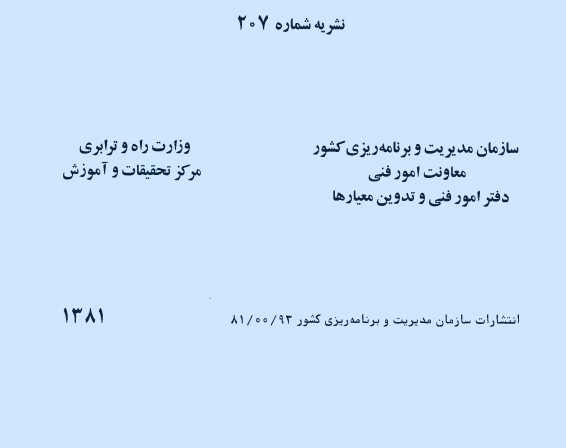
 
دستورالعمل استفاده از امولسيونهاي قيري در راهسازي
 

دانلود مقاله چکش های هیدرولیکی پیکور

چکش های پیکور نوعی پرکاربرد از چکش های مکانیکی – عمرانی هستند که استفاده از آنها به تدریج در صنایع عمرانی در حال افزایش می باشد. این چکش ها که قابلیت نصب بروی انواع بیل هیدرولیکی دارند انواع مختلفی دارند آشنایی با انواع این چکش ها و نحوه کار آنها با توجه به تنوع بسیار زیادشان یرای هر مهندس عمرانی ضروری به نظر می رسد. نصب چکش های پیکور بجای باکت بیل مکانیکی، این امکان را فراهم می‌کند که سطوح و احجام سنگی یا بتونی را که بنا به دلایلی نمی‌توان با مواد منفجره و یا کمپرسور تخریب کرد، به‌وسیله مجموعه این دو وسیله (بیل و چکش) تخریب نمود. مقاله چکش های هیدرولیکی به قلم صابر مظفری و علی عباسی زیر نظر استاد حیدر بیگی در دانشگاه آزاد اسلامی واحد کاشمر نوشته شده است .

پیکور


دانلود در ادامه مطلب

ادامه نوشته

پروژه آزمایشگاه مصالح ساختمانی- دانشگاه صنعتی اصفهان(تاثیر مواد هوازا بر کاهش مقاومت بتن)


تاثیر مواد هوازا بر کاهش مقاومت بتن

تاثیر مواد هوازا بر کاهش مقاومت بتن


دانلود


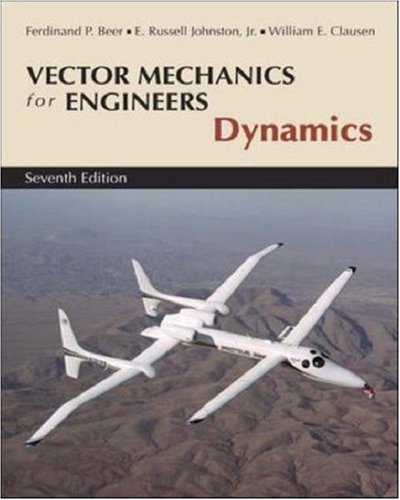
حل المسائل استاتیک جانستون ویرایش7

کتاب مکانیک برداری یا همان استاتیک جانستون یکی از کتب بسیار کاربردی میباشد. و اکثر دانشجویان نیز با آن آشنا هستند.

این کتاب به صورت یک فایل پی دی اف در 605 صفحه در اختیار شما دوستان قرار میگیرد. امیدوارم مورد

توجه شما دوستان قرار بگیرد.
static

 دانلود در ادامه مطلب
ادامه نوشته

منتخب عکس های عمرانی 8  

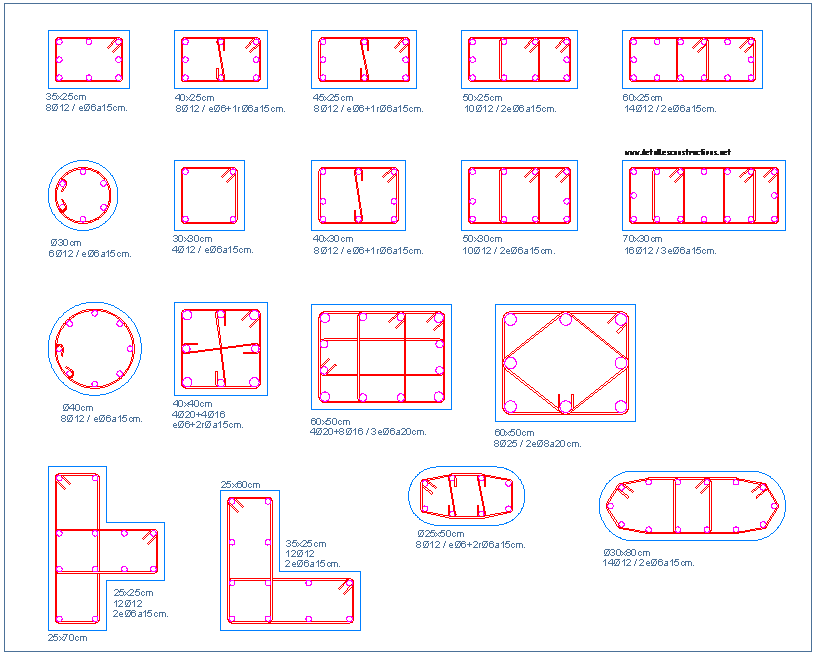
Detail Of Steel In Beams Columns


Detail Of Steel In Beams Columns


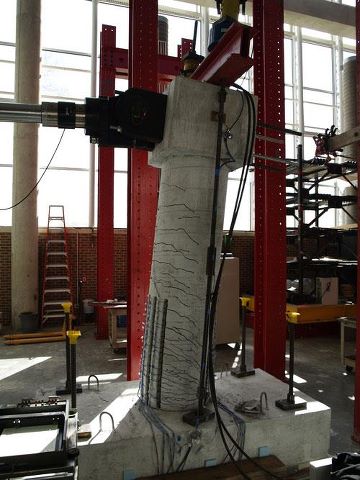
test Lateral load Bridge Columns
 

test Lateral load Bridge Columns


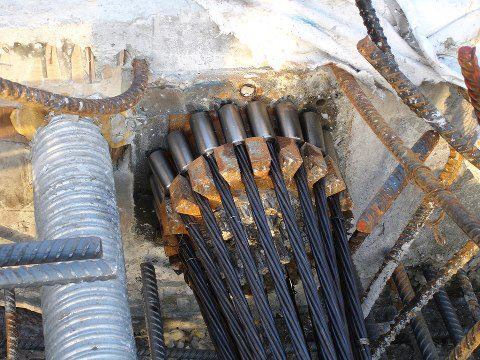
Coupler bearing - tension-tendons


Coupler bearing plate - tension-tendons
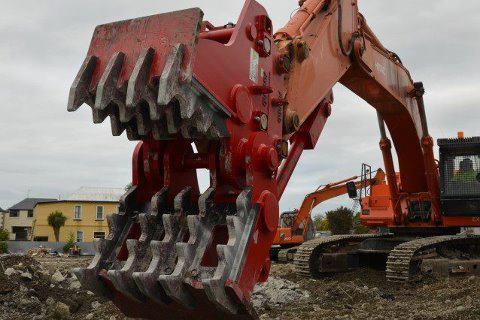

Concrete grinder

Concrete grinder


مهندسی عمران بهشهر(تیسفون)
www.tisfooon.blogfa.com

www.bstisfoon.ir


Anchored Static Axial Compressive Load Test


The main purpose of the compression loading test is to demonstrate construction method and to confirm the design assumptions and the bored pile loading capacity. This test is also show the actual safety factor applied for the piles.

Test Setting-up

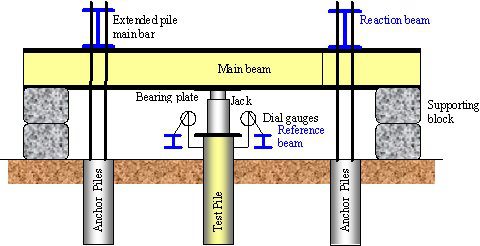
The loading test method is Anchored Reaction Beam. The load will produced by hydraulic jack placed over the test pile and vertically support by main beam. The main beam has sufficient size and strength to avoid excessive deflection under load with sufficient clearance between the bottom flange of the main beam and the top of the test pile to provide for necessary bearing plates and hydraulic jack. The reaction beam required to transfer the applied loads from the main beam to the anchor piles. Six number of used bored piles will use as anchor piles to provide main beam adequate reactive capacity. Clear distance from anchor piles to the test pile is least 5 (five) times the maximum diameter of the largest anchor pile or test pile but not less than 2m (min 3m for BP.600mm and min 4m for BP.800mm). Anchor piles will connected to the reaction beam using extended piles main bars which is designed to provide adequate capacity to prevent slippage, rupture or excessive elongation under maximum required test load


Apparatus for measurement

  -Reference Beam
All refference beams will be independently supported with supports firmly embedded in the ground at a clear distance of not less than 2.5m from the test pile and as far as practical from the anchor piles and asupporting block. Reference beam will be sufficiently stiff to support the instrumentation such that excessive variations in readings do not occur. One end of each reference beam will be free to move horizontally as the beam length changes with temperature variations

Dial gauges
Dial gauges have 50mm travel with 0.01mm precision. 50x50mm2 Glass square will installed perpendicular to the direction of gage-stem travel. All dial gauges, scale and reference point will be clearly marked with a reference number to assist in recording data accurately. Gauges attached to the test pile will be mounted to prevent movement relative during the test
Pile Axial Movement

Two parallel reference beams will be oriented in a direction that permits placing their supports as far as possible from anchor piles. Four (4) dial gauges will be mounted on the reference beams approximately equidistant from the center of and on opposite sides of the test pile

Surveyor level will use as secondary system to measure the axial movement. Reading will be taken on a scale and will be referenced to a permanent bench mark located outside of the test area. Scale used in taking settlement readings will be mounted on the sides of the test pile and located on opposite sides
Pile Lateral Movement

The lateral movement of the top of the test pile will be measured to accuracy 0.01mm using two dial gauges mounted on the reference beam 90� apart with their stem perpendicular to the longitudinal axis of the test pile and bearing against the sides of the test pile
Test Procedure

The loading procedure in this test is the cyclic loading. The maximum loading is 2 times of design load. Loading sequence is following the Cyclic Loading procedure. In case ultimate load of the pile being tested can not be reached by the available anchor pile capacity, the ultimate load will predict by applying Chin, Brinck Hansen, Davisson and Log Load - Settlement curve (Navfac DM-7.1971) method. Reading procedure follows the Standard Measurement Procedure


behshahr civil engineer

www.tisfooon.blogfa.com